.png)

Commercial kitchens are among the most energy-intensive spaces in any building, and rising utility prices have turned commercial kitchen energy costs into one of the biggest threats to margin in UK foodservice. The good news is that most kitchens waste a large share of the energy they buy through equipment left running, poor scheduling and a simple lack of visibility over where the power actually goes. This guide sets out the practical steps a kitchen operator can take to cut energy costs, starting with measurement and moving through low-cost habits, smarter equipment and, where it stacks up, solar and battery storage.
Why commercial kitchen energy costs are so high
A busy kitchen runs extraction, refrigeration, cooking lines, dishwashers and hot water for long hours, often far longer than the kitchen is actually producing food. Refrigeration and extraction typically run around the clock, while cooking equipment is frequently switched on hours before service and left idling between covers. Because energy usually arrives as a single monthly bill, it is hard to see which of these loads is driving cost, so waste goes unnoticed and uncorrected month after month.
The three biggest culprits in most kitchens are similar: refrigeration working harder than it should because of warm plant rooms or failing seals, extraction and ventilation running at full speed when the kitchen is quiet, and cooking equipment left on during long gaps in service. Tackling these three areas is where the fastest savings usually come from.
Start by measuring: kitchen energy monitoring
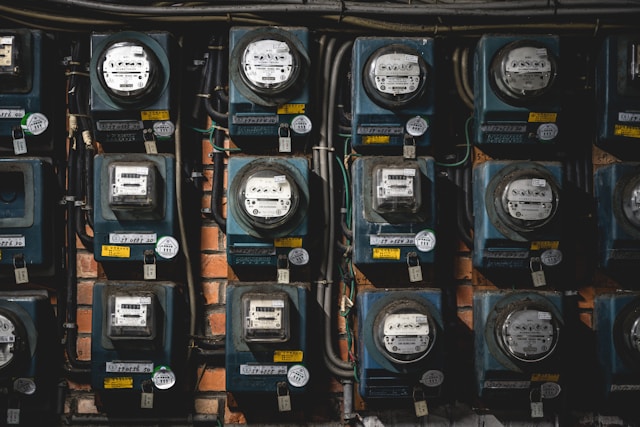
You cannot manage what you cannot see. The single most valuable step is to install energy monitoring so you can measure consumption in near real time, ideally broken down by circuit or by major appliance rather than as one whole-building figure. This turns a vague bill into a clear picture of where money is going.
Good monitoring lets an operator answer questions that are otherwise guesswork:
- Which appliances draw the most power, and when?
- Is anything running overnight or on closed days that should be off?
- How much does it cost to switch the cooking line on an hour earlier?
- Is a fridge or freezer drawing more power than usual, hinting at a fault before it fails?
Once you can see the pattern of use, savings that were invisible become obvious. Many kitchens discover a surprising amount of overnight and out-of-hours consumption the moment they start measuring, and simply eliminating that baseline load can deliver a meaningful reduction with no impact on service.
Low and no-cost changes that add up
Before spending on new equipment, there are habits and quick wins that cost little or nothing and can be introduced straight away.
Tighten your switch-on and switch-off routine
Much kitchen equipment is switched on far earlier than it needs to be and left on through quiet spells. Create a staggered start-up schedule so each appliance comes on only when it is needed for prep or service, and a clear shutdown checklist for close so nothing is left idling overnight. Griddles, fryers, ovens and extraction are the priorities.
Manage refrigeration properly
Keep condensers and coils clean, check door seals regularly, and make sure fridges and freezers are not sited next to ovens or in hot, poorly ventilated plant areas. Set temperatures to the correct level for safety without overcooling, and keep doors closed and well organised so units are not working against warm air.
Use extraction to match demand
Full-speed extraction during quiet periods wastes both the fan energy and the heated or cooled air it pulls out of the building. Where the system allows, run ventilation at reduced speed when the kitchen is quiet and ramp it up for service. Demand-controlled ventilation, which adjusts fan speed automatically to cooking activity, can cut ventilation running costs substantially.
Fix hot water and lighting
Insulate hot water pipework and cylinders, repair dripping taps promptly, and switch remaining halogen or fluorescent lighting to LED. Lighting is a small share of the total but LEDs pay back quickly and also reduce the heat the kitchen has to extract.
Invest in more efficient equipment
When appliances reach the end of their life, replacement is the moment to lock in lower running costs for years. Induction hobs are far more efficient than gas or traditional electric because they heat the pan directly and put much less waste heat into the room, which in turn reduces the extraction and cooling load. Look for well-rated, energy-efficient models of combi ovens, dishwashers and refrigeration, and pay attention to lifetime running cost rather than purchase price alone. Right-sizing matters too: an oversized appliance run half-empty is expensive, so match equipment to realistic covers.
Solar and battery storage for kitchens
For sites with suitable roof space and high daytime demand, on-site solar generation can offset a share of energy bought from the grid, and a kitchen that runs hard through the middle of the day is a good match for solar because generation and demand line up. Battery storage adds further value by storing cheaper or self-generated energy and releasing it at peak times, smoothing demand and protecting against price spikes.
Solar and battery are a larger capital decision and the payback depends heavily on your tariff, roof, planning constraints and how much of the generation you can actually use on site. The sensible order is to measure and reduce demand first, then size any solar and storage system to the leaner, well-understood load that remains, rather than paying to generate energy you are still wasting.
Turn savings into a repeatable process
Cutting energy cost is not a one-off project but an ongoing routine. With monitoring in place, review consumption regularly, set a baseline, and watch for creeping increases that signal a failing appliance or slipping habits. For multi-site operators, comparing sites against each other quickly exposes the outliers and spreads best practice from the best-performing kitchens to the rest.
How Magneté helps
Magneté helps commercial kitchens take control of their running costs with energy monitoring that shows exactly where power is going, alongside practical advice on equipment, ventilation and, where it makes sense, solar and battery storage. We help you find the waste, prioritise the changes that pay back fastest, and track the results over time. To see where your kitchen could save, book a free strategy call.