.png)

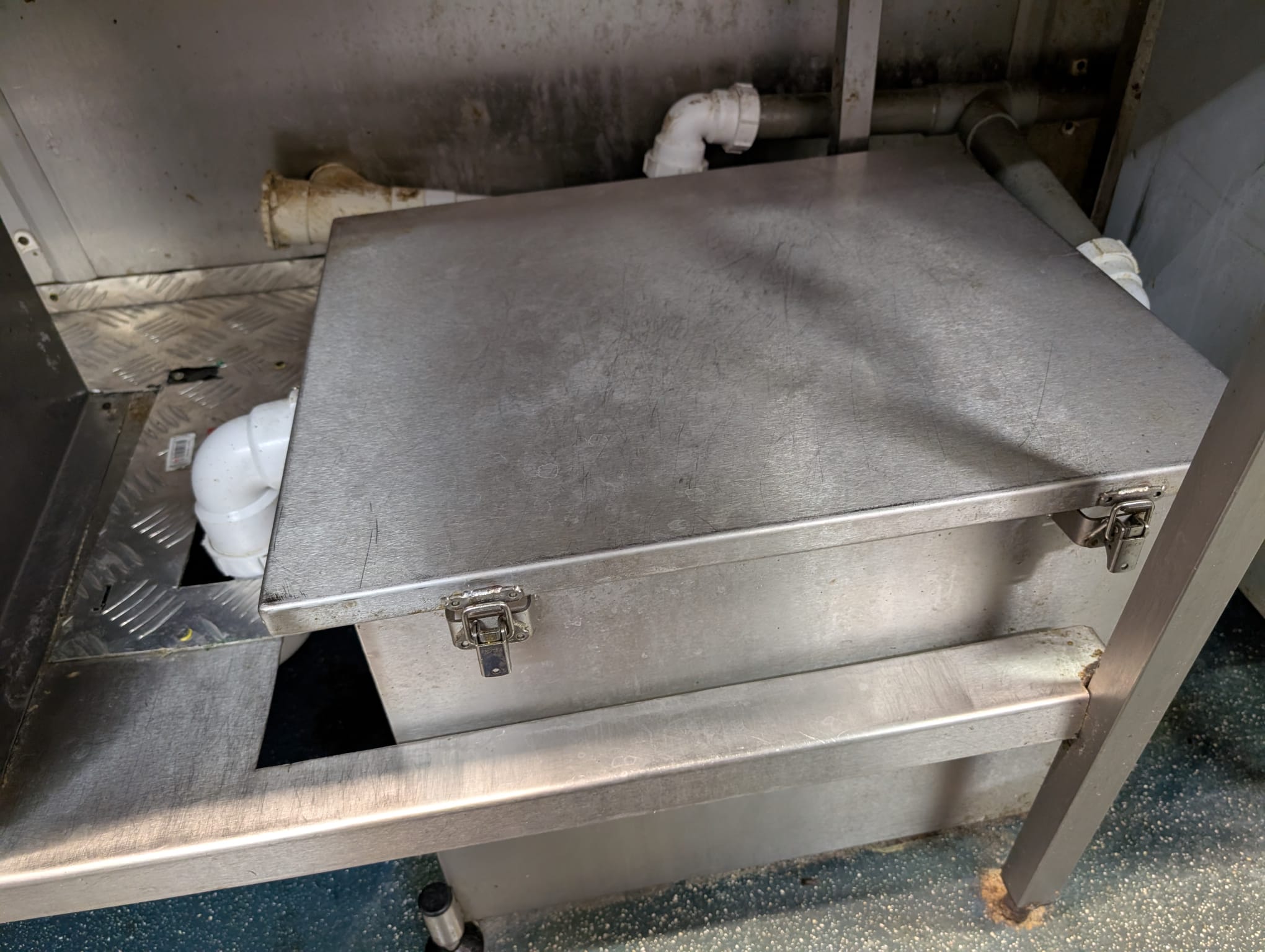
Did you know that hundreds of thousands of tonnes of fat, oil and grease enter the UK sewage system every year? Left unmanaged, this build-up damages drainage, harms the environment and lands businesses with costly repairs. The humble grease trap is the frontline defence against all of it.
In this guide, Magneté explains what a grease trap is, how it works, the different types available, and why every commercial kitchen needs one.
What Is a Grease Trap?
A grease trap (also called a grease interceptor, grease catcher or FOG trap) is a plumbing device that intercepts fats, oils and grease before they enter the wastewater system. By separating grease from water at the source, a grease trap prevents blockages, protects public sewers and keeps kitchens compliant with UK regulations.
Fats, oils and grease — collectively known as FOG — don't mix with water and solidify as they cool. Once inside drainage pipes, they cling to the walls, harden, and eventually cause blockages, foul odours and expensive damage. A grease trap stops this at the source.
Why Are Grease Traps So Important?
Fats and oils can damage water treatment equipment and pollute the natural water supply if they reach it untreated. They also block drains, damage commercial kitchen equipment and lead to expensive repairs when left unchecked.
Because of this, strict UK legislation governs FOG management in the food industry. Businesses are legally required to manage fats, oils and grease responsibly — and a properly installed, well-maintained grease trap is the most effective way to stay compliant.
Where Are Grease Traps Used?
Grease traps are found in virtually every type of commercial kitchen, including:
- Restaurants and bars
- Hotel kitchens
- Cafés
- Takeaways
- Education and facility kitchens
- Commercial food production sites, such as bakeries
How Does a Grease Trap Work?
Fats, oils and greases are around 10–15% less dense than water, and because they don't mix with it, a grease trap uses this simple physics to separate them.
When wastewater enters the trap, it cools and naturally settles into layers:
- Grease rises to the top.
- Solids sink to the bottom.
- Clear water sits in the middle, where it's released through an outlet baffle.
Most grease traps also include strainers to catch solid debris and reduce the risk of blockages. To keep working effectively, traps must be cleaned and pumped out regularly.
Types of Grease Trap
There are several types of grease trap to suit different kitchen sizes and volumes:
- Passive / manual systems — common in smaller kitchens, cleaned and emptied by hand.
- Automatic systems — operate on the same principle but are more scalable and efficient, with lower running and servicing costs.
- Gravity grease traps — use a passive hydromechanical system to handle much larger capacities.
Choosing the right grease trap depends on your kitchen's throughput, available space and maintenance preferences.
Keep Your Grease Trap Working with Magneté
A grease trap is only as good as its upkeep. Regular cleaning, servicing and correct installation are essential to stay compliant and avoid costly blockages.
At Magneté, we make fat, oil and grease compliance easy for commercial kitchens across the UK. From installation through to ongoing monitoring, our team delivers professional, reliable solutions tailored to your needs.
Want to know more about grease trap installation or servicing? Get in touch with the Magneté team today.