.png)


If you run a commercial kitchen across the Midlands, your wastewater almost certainly ends up in a Severn Trent sewer — and Severn Trent is clear about what it expects from food businesses when it comes to fats, oils and grease (FOG). The water company clears around 45,000 blockages every year caused by FOG and inappropriate items entering the network. Here is what those rules mean for your kitchen, and how to stay on the right side of them.
Why FOG is such a problem
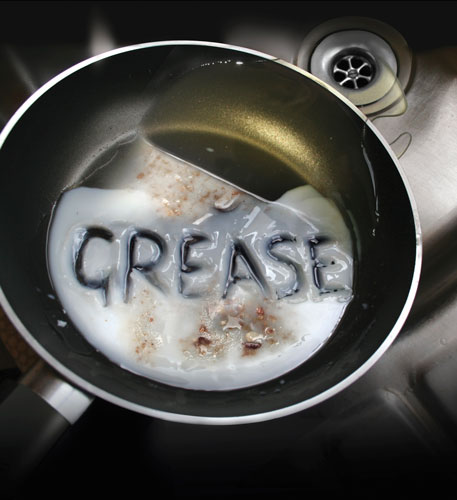
When fat, oil and grease are poured down sinks and drains, they cool and harden inside the sewer. Over time these deposits build into a solid mass — a fatberg — that stops wastewater flowing freely to the treatment works. The result is bad smells, sewer flooding, forced kitchen closures and lost revenue while the cause is investigated and put right. And the impact is not limited to your premises: a blockage on shared pipework affects neighbouring businesses and the wider community too.
Who is legally responsible
Severn Trent is unambiguous on this point: the business owner is responsible for stopping FOG from entering the public sewer. This is not just best practice — it is the law. It is a criminal offence under Section 111 of the Water Industry Act 1991 to discharge into a public sewer any matter that may interfere with the free flow of wastewater, and fats, oils and grease fall squarely into that category. Severn Trent works with its partner organisation, Environmental Compliance and Services (ECAS), to educate operators and, where necessary, enforce these rules.
What Severn Trent expects you to do
The core message is simple: keep FOG out of the drain in the first place. In practice that means a combination of good daily habits and the right equipment.
- Scrape and bin food waste before washing pans and plates, and use sink strainers to catch solids.
- Never pour oil, fat or grease down the sink — collect used cooking oil separately for licensed recycling.
- Dry-wipe greasy pans with paper before they reach the wash-up.
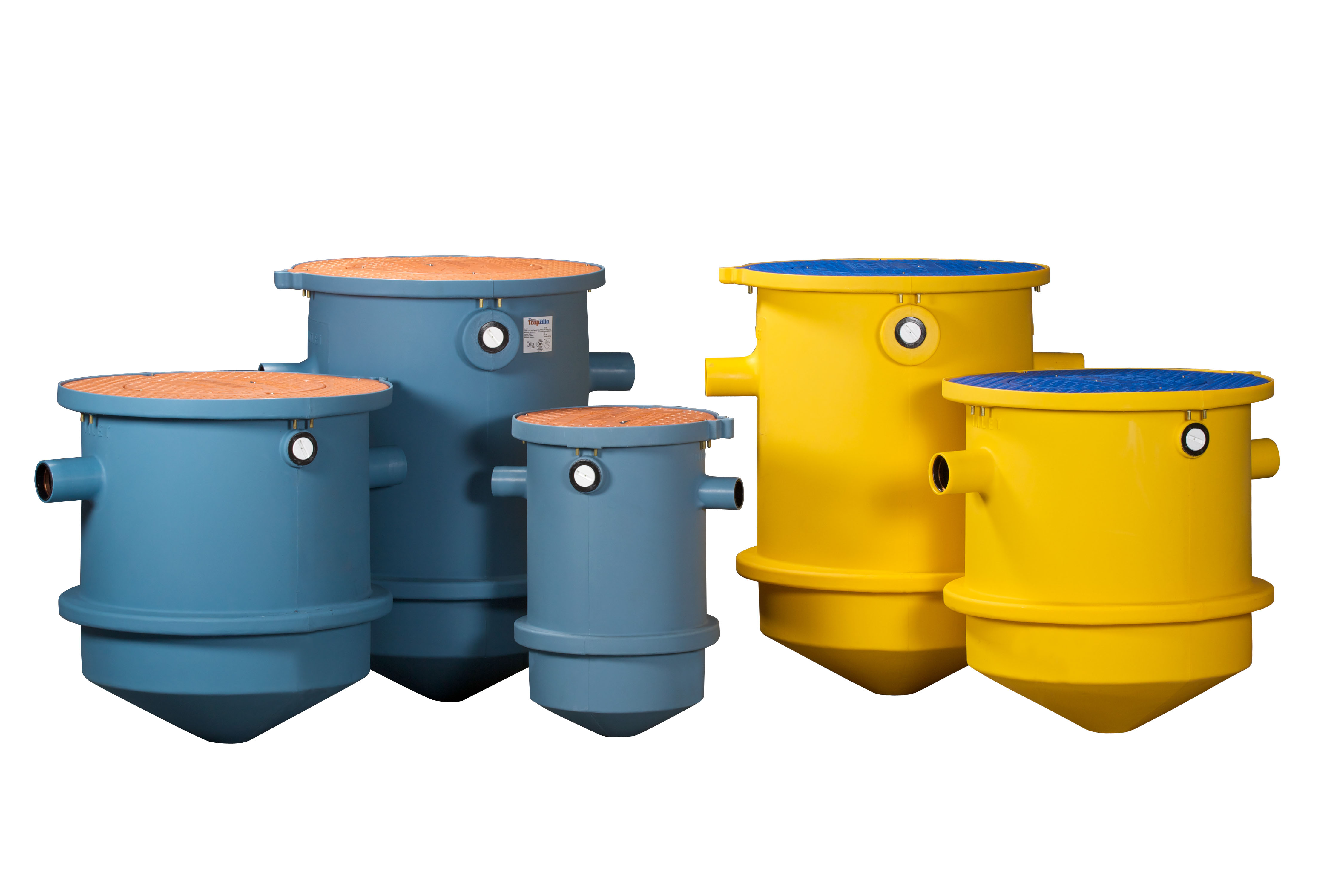
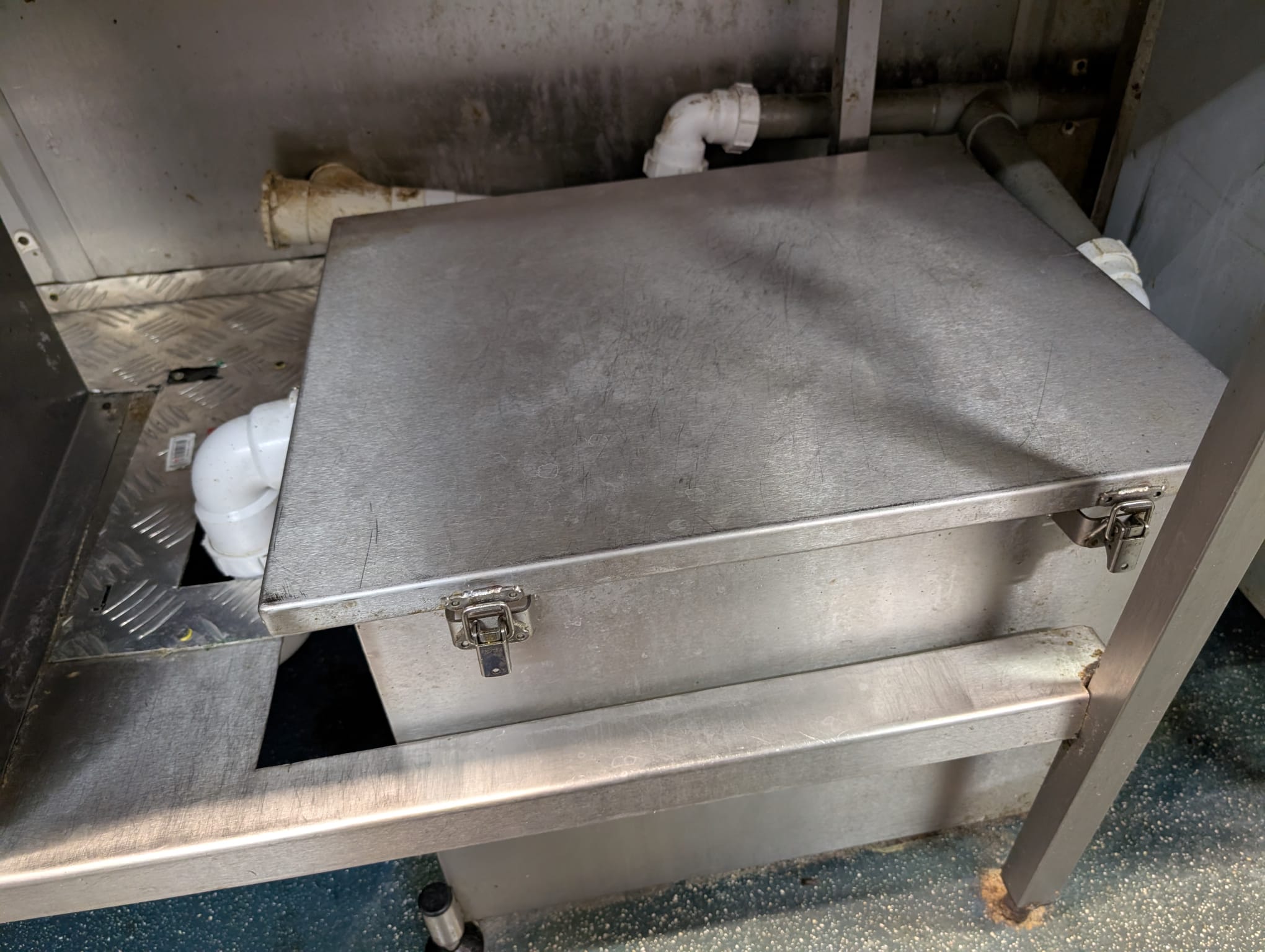
- Fit fat-trapping equipment — a correctly sized grease trap or grease recovery unit — so any grease that does reach the drain is captured before it enters the sewer.
- Maintain that equipment and keep dated records of every service as evidence of due diligence.
Severn Trent makes the point that the initial investment in fat-trapping equipment easily outweighs the cost of repeat plumber call-outs to clear blocked drains.
Getting the equipment right
A grease trap only works if it is sized correctly for your kitchen's flow rate and menu. An undersized unit fills too quickly and lets grease escape; an oversized one wastes money and space. Use our grease trap sizing tool to find the correct specification, and read our full grease trap compliance guide for the UK regulations and an inspection checklist.
How Magneté helps kitchens in the Severn Trent region
Based in Stratford-upon-Avon, Magneté helps commercial kitchens across the region reduce grease-related risk, install correctly sized grease management systems and keep the documented evidence that proves compliance. From single sites to multi-site estates, we handle FOG compliance and grease trap services so you can focus on running your kitchen. If you would like a clear, no-obligation view of your FOG risk, book a free strategy call.
For emergencies, Severn Trent operates a 24-hour line on 0800 783 4444.