.png)


If you run a commercial kitchen, one question comes up again and again: how often should the grease trap actually be emptied? Get it wrong and you risk blocked drains, foul odours, failed inspections and an unexpected closure. Get it right and grease management becomes a quiet, predictable part of your operation. Here is a practical guide for UK kitchens.
The short answer: the 25% rule
The widely accepted industry guideline is the 25% rule (sometimes called the "one-quarter rule"). A grease trap should be serviced once the combined layer of fats, oils, grease and settled solids reaches roughly 25% of the trap's total liquid depth. Beyond that point, the trap can no longer separate grease effectively, and fats begin to escape into your drainage system — which is exactly what a trap exists to prevent.
For many busy kitchens that works out at roughly every four to eight weeks, but the honest answer is that it depends on your kitchen. The 25% rule tells you what to measure; the factors below tell you how often you'll hit it.
What actually changes your emptying interval
- Menu and cooking style: fryers, chargrills and heavy meat or dairy use produce far more grease than a salad-led or cold-prep kitchen.
- Covers per day: more meals means more FOG entering the trap.
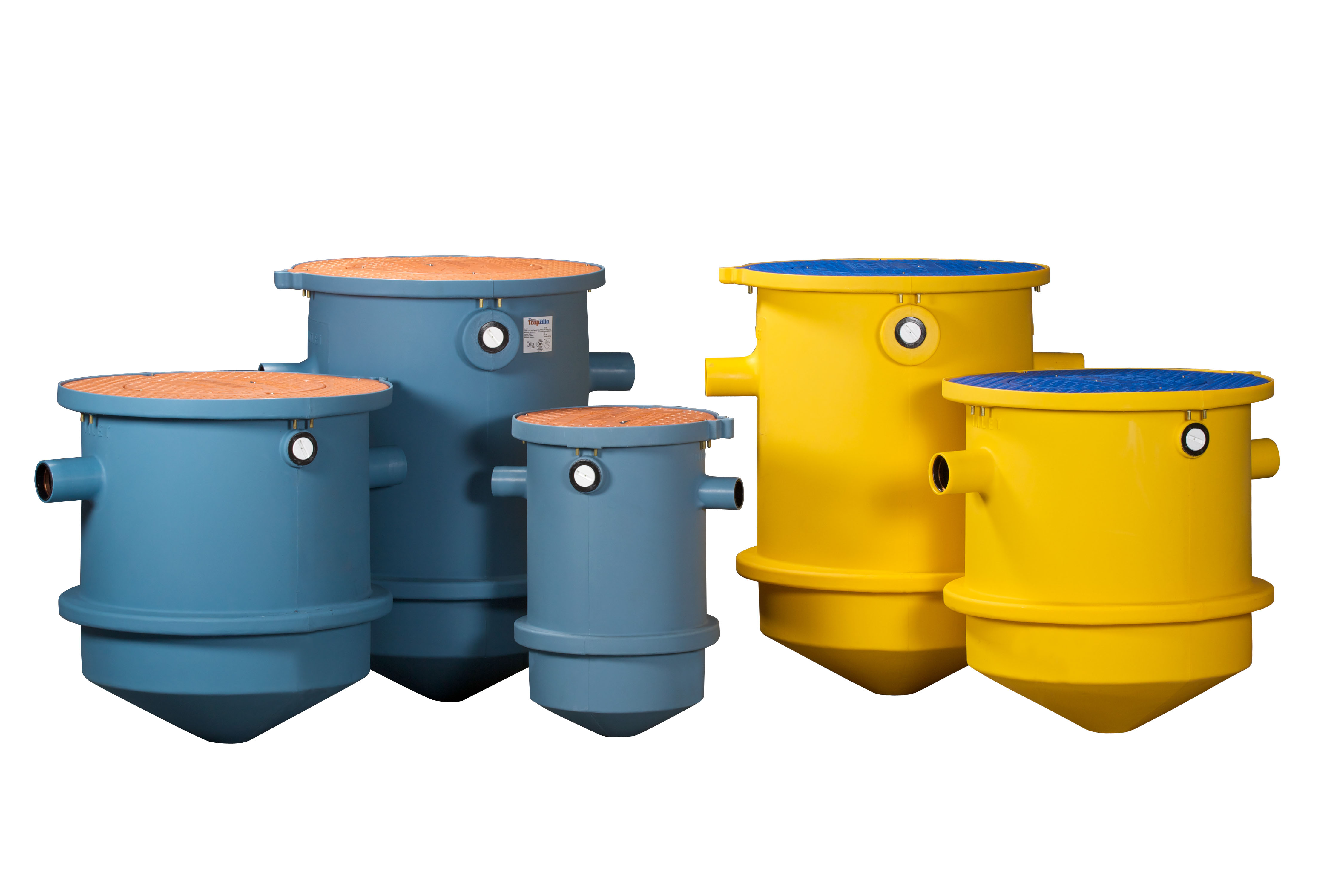
- Trap size: an undersized trap fills faster and needs servicing more often. Correct sizing at the design stage saves money for years.
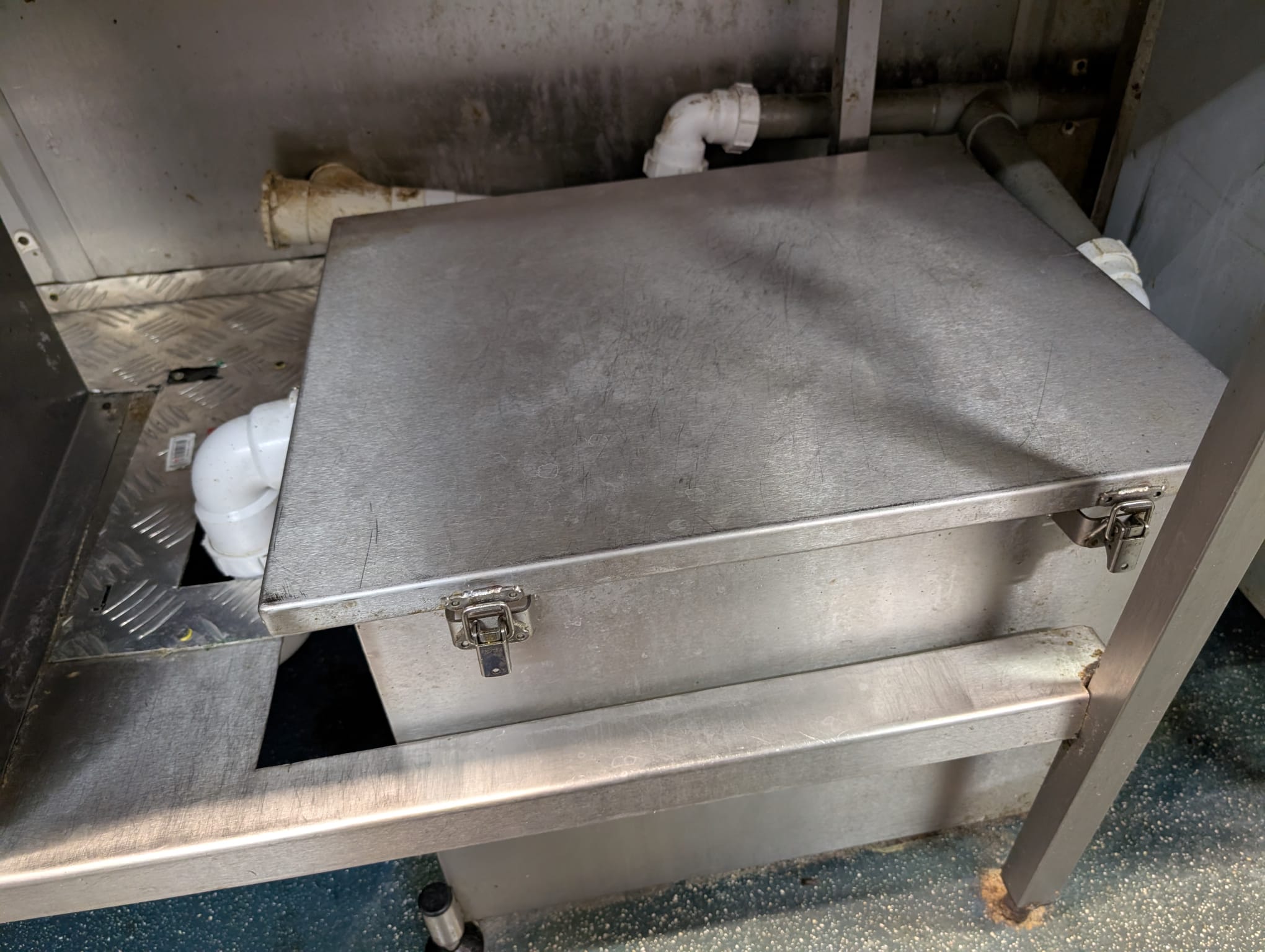
- Whether the trap is manual or automated: automated units skim grease continuously and change the maintenance rhythm entirely.
A practical maintenance schedule
Daily
Scrape plates and pans before washing, use sink strainers, and never pour used oil down the drain. Most FOG problems start at the sink, not the trap.
Weekly
Check the grease and solids level. A quick visual dip check tells you how close you are to the 25% threshold and helps you predict your service date rather than react to a blockage.
Scheduled service
Book a full empty-and-clean before the trap reaches capacity — for most operators that is monthly, though high-output kitchens may need it more often and lighter sites less. The goal is a planned interval you can rely on, not an emergency call-out.
Why records matter for FOG compliance
In most UK areas, water authorities expect commercial kitchens to stop fats, oils and grease entering the sewer, and equipment should meet standards such as BS EN 1825. If there is ever a dispute — a blockage, an odour complaint or an inspection — documented maintenance is your evidence of due diligence. Keep dated records of every service, including who carried it out and what was removed. Missing records are often what turns a minor issue into an enforcement problem. For a complete overview of UK requirements, read our grease trap compliance guide.
Signs your trap needs emptying sooner
- Slow-draining sinks or gurgling drains
- Foul or sulphurous odours near floor gullies
- Grease visible at the trap outlet
- More frequent drain call-outs than usual
If you are seeing these, your current interval is too long — or your trap may be undersized for your kitchen.
How Magneté helps
Rather than guessing, Magneté sets the right service interval for your specific site, keeps the documented records you need to prove compliance, and can monitor maintenance across multiple kitchens so problems are caught early. If you'd like a clear, no-obligation view of your grease management, book a free strategy call and we'll help you build a schedule that keeps your drains clear and your compliance watertight.