.png)


If your kitchen prepares hot food, fats, oils and grease (FOG) aren't just an operational nuisance — they're a legal responsibility. UK law is clear that businesses must stop FOG from reaching the public sewer, and enforcement is real: fines can run to tens of thousands of pounds, and water companies can recover the cost of clearing blockages you cause. This is a plain-English guide to the legislation that applies to commercial kitchens, what it actually requires, and how to stay on the right side of it.
What counts as FOG — and why regulators care
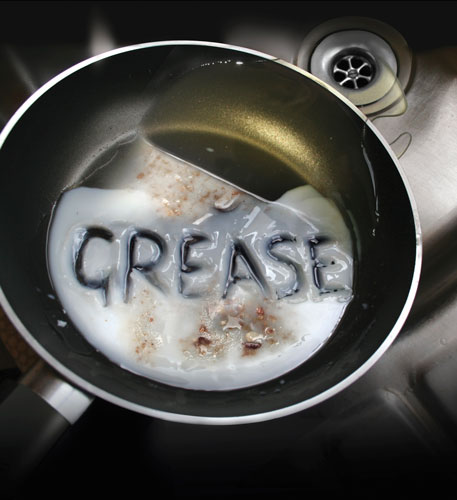
FOG covers the animal fats, vegetable oils and greases produced by cooking, food prep and washing up. Poured down the drain as warm liquid, it cools and hardens inside sewer pipes, narrowing them and eventually causing blockages and sanitary sewer overflows. Water companies in England and Wales clear tens of thousands of grease-related blockages every year, and much of that traces back to commercial kitchens. That's why the law places the duty to control FOG on the businesses producing it.
The three laws that matter
Several pieces of legislation work together, but three do most of the heavy lifting:
- Water Industry Act 1991, Section 111 — makes it a criminal offence to discharge into a public sewer any matter that may interfere with the free flow of wastewater. FOG falls squarely within this. Restaurants, pubs and takeaways found to be discharging grease can be prosecuted.
- Environmental Protection Act 1990 — reinforces the offence of discharging FOG to public sewers and treats persistent grease-related odour or pollution as a statutory nuisance that authorities can act on. It also underpins the requirement to keep proper records of waste collections.
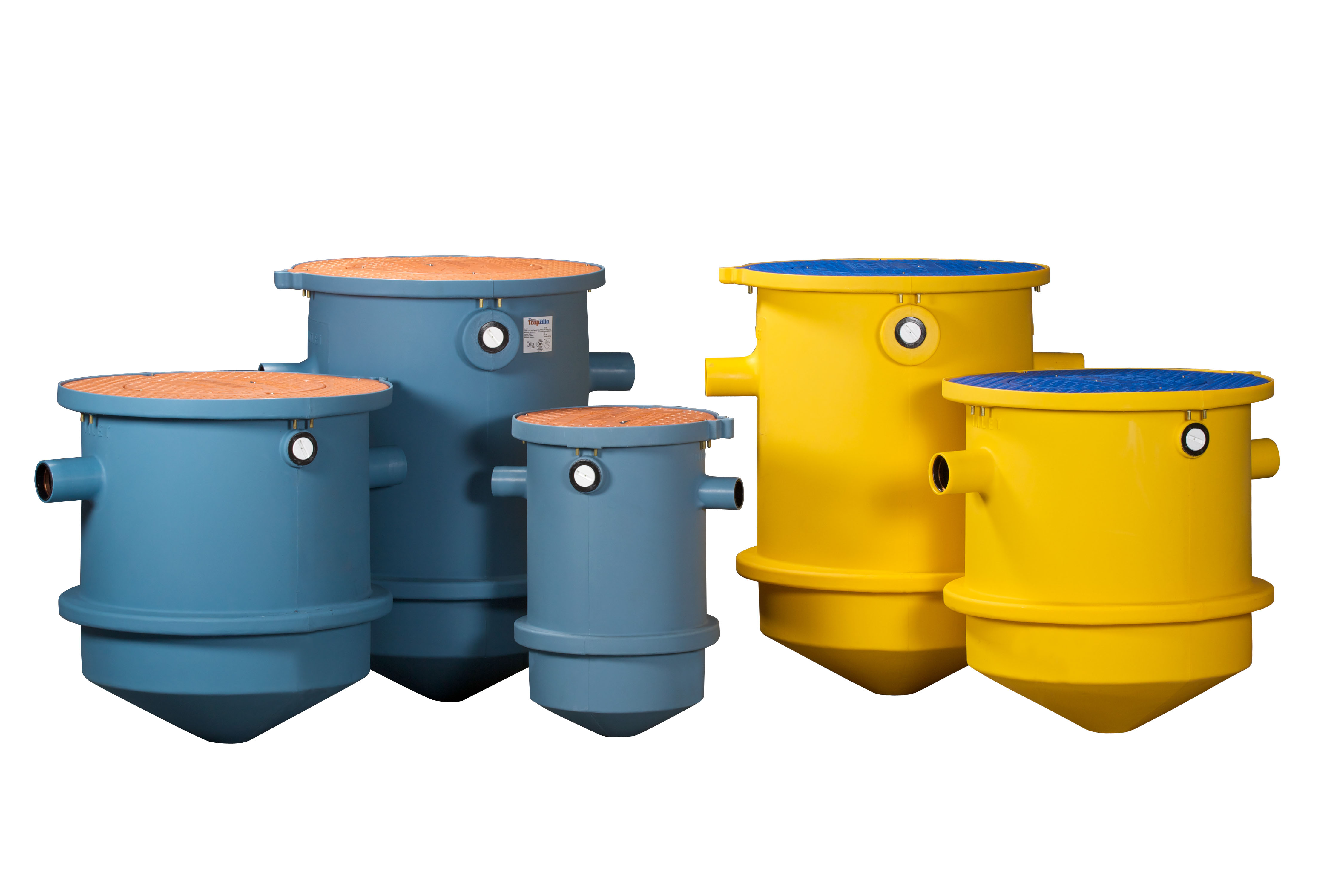
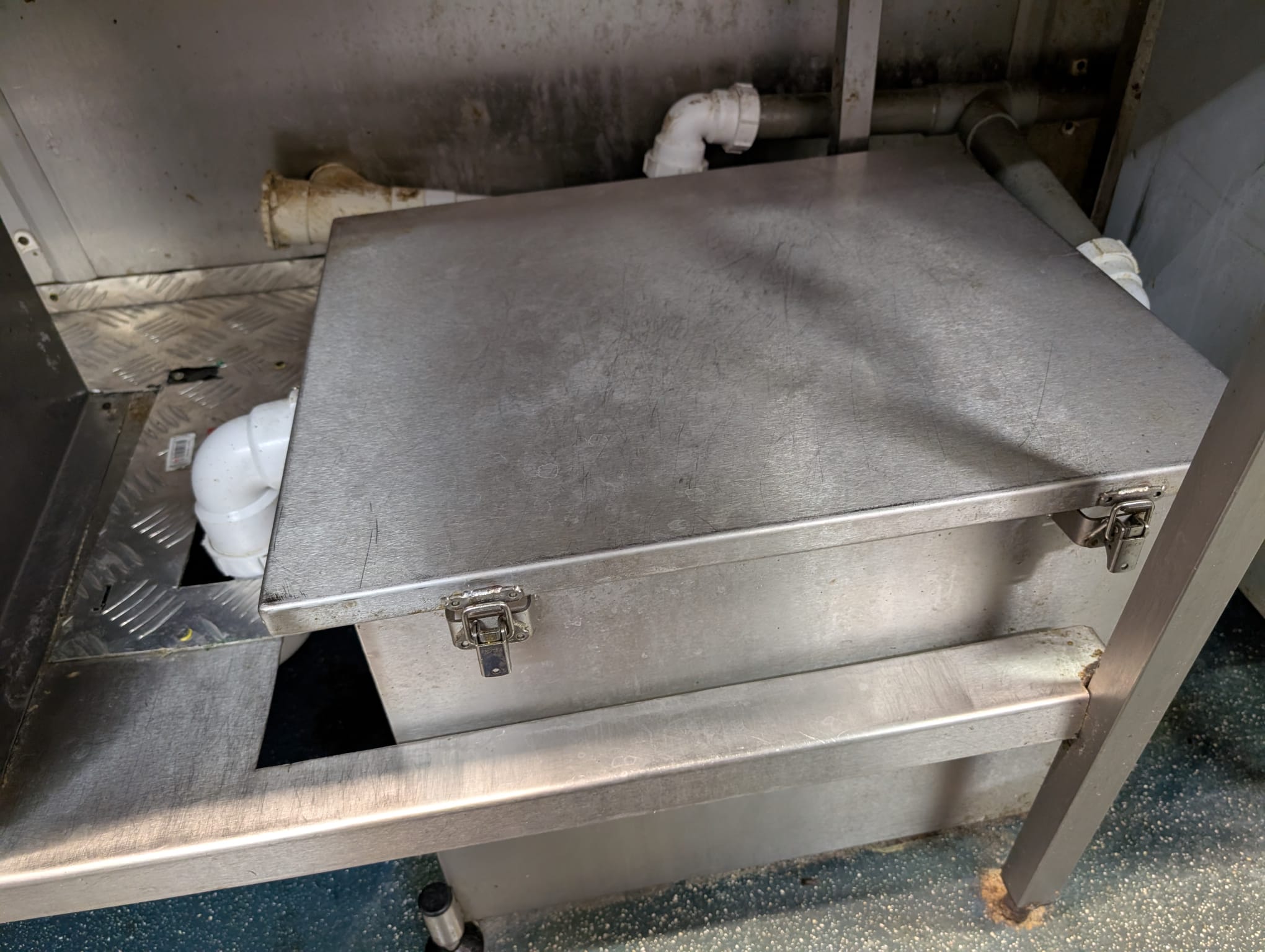
- Building Regulations (Approved Document H) — requires drainage serving commercial hot-food kitchens to include a grease separator complying with BS EN 1825, or another effective means of grease removal. In practice this means a compliant grease trap or grease recovery unit isn't optional for most new or refurbished kitchens.
What the law actually requires of your kitchen
Read together, the legislation expects you to prevent FOG from entering the sewer, install and properly maintain appropriate grease management equipment, and be able to prove you're doing so. "Appropriate" depends on your kitchen: a correctly sized grease trap or automated grease recovery unit, matched to your flow rate and menu, plus a maintenance routine that keeps it working. Records matter as much as the equipment — a well-maintained trap with no evidence of servicing is hard to defend if a water company comes knocking.
The penalties for getting it wrong
This is where FOG stops being a maintenance line-item. Offences under Section 111 and the Environmental Protection Act can attract fines of up to £50,000 in a Magistrates' Court, and unlimited fines in the Crown Court. On top of any fine, where a water company has incurred costs dealing with the consequences of your discharge — clearing blockages, cleaning sewers, investigating flooding or pollution — it can take legal action to recover those costs from the business responsible. Add in downtime, remediation and reputational damage, and non-compliance is almost always more expensive than doing it properly.
How to stay compliant
Compliance is very achievable with the right setup:
- Install a grease trap or recovery unit that is correctly sized for your kitchen. Our grease trap sizing tool is a good starting point.
- Maintain it on a proper schedule and keep evidence — dates, actions, who did them.
- Train staff to scrape plates and pans before washing, and to keep oils and fats out of the sink entirely.
- Keep records of trade waste and grease collections so you can demonstrate due diligence.
If you're not sure whether your current setup meets the standard, that's exactly the kind of question a review answers quickly. Magneté helps commercial kitchens, landlords and multi-site operators assess FOG risk, choose compliant equipment and prove due diligence. Learn more about our FOG compliance services, or book a strategy call to talk through your sites.
This article is a general guide, not legal advice. Requirements can vary by water company and local authority, so check the specific rules that apply to your premises.